
An investigation into a deadly mystery. The disastrous implications of time travel. The existence of parallel universes and worlds. A perplexing conspiracy.
Around a couple of months ago, I had watched the 1995 science fiction film 12 Monkeys starring Bruce Willis and Brad Pitt, centering around a man traveling back in time to prevent an apocalypse in the future.

Yes, based on my synopsis of the film, it seems too simplistic and cliched, but it is definitely not the case. The film is packed with classic (science fiction, film noir and psychological thriller) film tropes, lavish set designs, numerous reveals, twists and twisted humor (courtesy of an unhinged Brad Pitt) and ultimately has a truly shocking payoff.
Nonetheless, the film got me thinking of writing a new piece. Now, updated with the arsenal of a few more films, here we are.
*
Confusing yet thrilling.
Trippy.
Mind-bending.
Think of the last movie that perfectly describes or summarizes the film. A lot many come to mind, right?
The “mind-bending” movie has grown in popularity over the past few decades and have enthralled filmmakers and viewers alike. Existing predominantly in the science-fiction and thriller (along with it’s respective sub genres) genres, this film type is notable for furthering the purpose of cinema from all fronts, in the manner that it entertains and provides an undeniable cinematic experience to audiences, whilst also providing a basis and room for engaging and enthusiastic discussions between critics, film theorists, cinephiles and film buffs in research studies and in both the physical and online realms. Numerous Reddit discussion threads and film conversations owe their existence to the “mind-bender” that comes along with numerous theories and interpretations.
My first experience watching such a film was through Christopher Nolan’s 2010 science fiction masterwork Inception. Revolving around the concept of subconscious corporate espionage, the film was, needless to say, unique and fresh. Nolan blew me away with his world-building, establishment of rules that work within the dream world, the action sequences, and a masterfully executed third act that was heavily interwoven within four dream realms, or levels.
Inception certainly was a film that demanded your complete attention and necessitated repeat viewings to completely grasp an understanding of the film, something I never thought would be needed for a film up till that point, and provided me with a deeper appreciation of film overall. It is a film that rewards you for keeping up with the narrative and always has something new to discover and offer with every single viewing, especially multiple interpretations regarding it’s famous final scene.
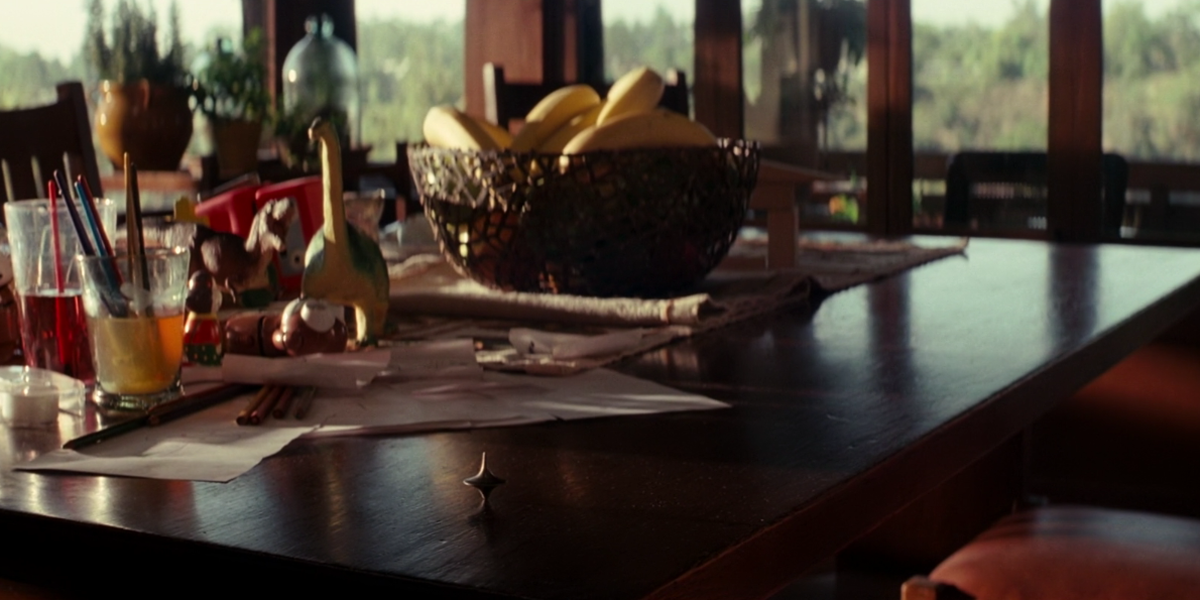
Nolan’s Inception is deeply rooted in the notion that the world around may not be real and as such he was inspired by similarly themed films the 1990s, such as Dark City and the now-seminal science fiction action classic The Matrix.

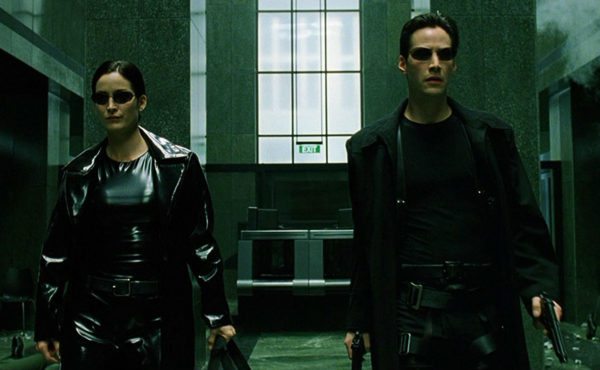
Released in 1998 and 1999, respectively, the films offer a mixture of science-fiction, noir-infused mystery-thriller, cyberpunk and action that is best experienced rather than read about.
The “mind-bending” type of film also attempts to address countless number of themes that are relevant and topical in the contemporary as well as the mainstream.
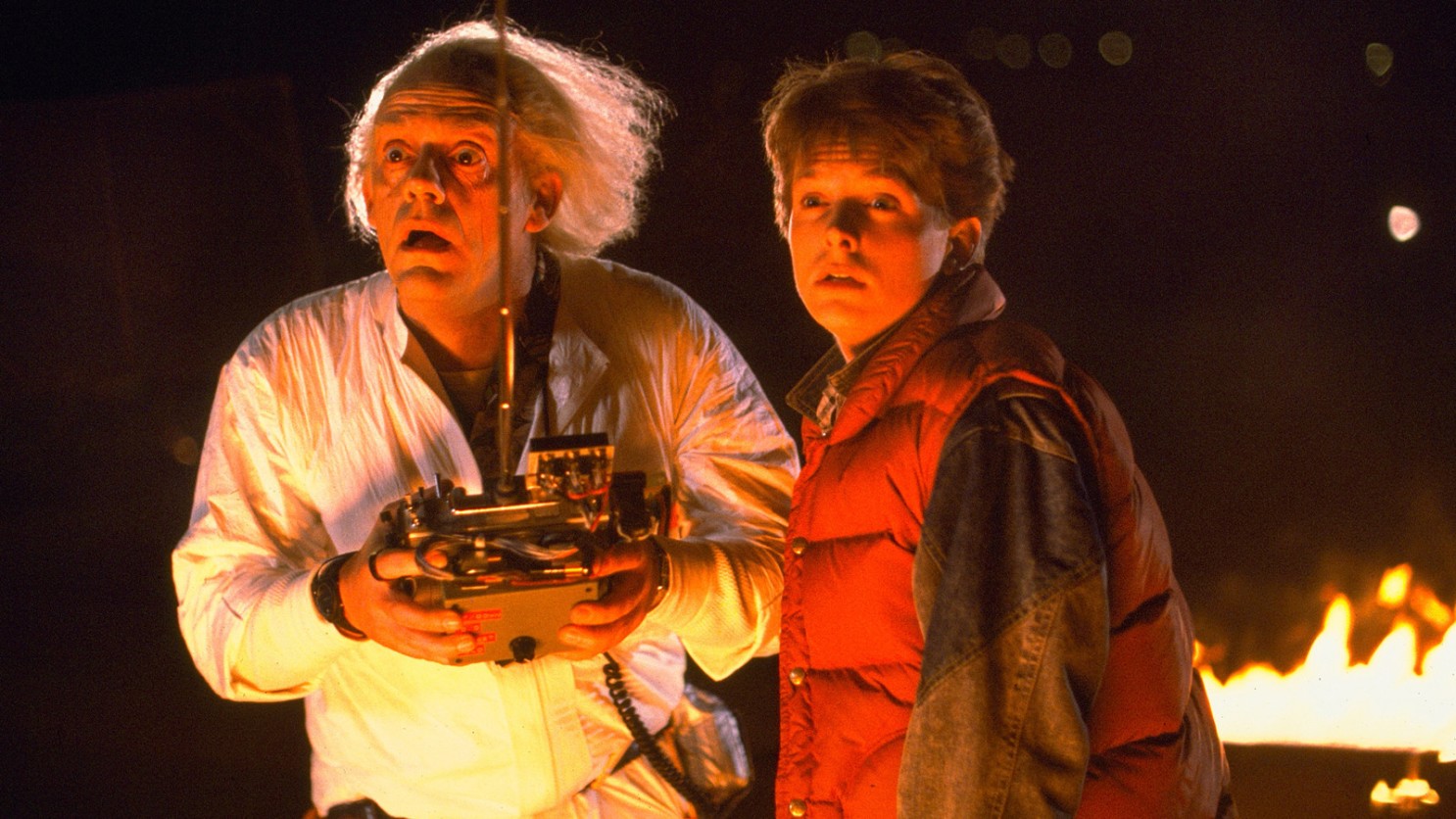
Take the example of classic sci-fi films, such as Back to the Future, The Terminator and it’s sequel, as well as The Matrix. All three films deal with the adverse effects of scientific and technological advancements, such as the emergence of artificial intelligence, biological harvesting and time travel.

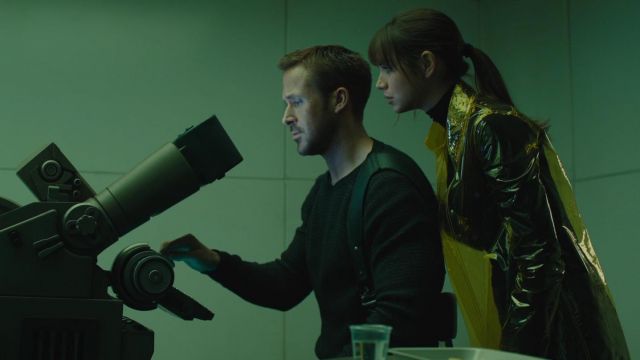
Acclaimed author Phillip K. Dick’s novels and short stories have often critiqued and forewarned readers of the impending effects of scientific progress, with many of his works being adapted into feature films. Blade Runner and its follow-up Blade Runner 2049 take place in a futuristic Los Angeles, with corporate greed, the ethics of bio-engineering and slavery as it’s underlying themes.


Minority Report, directed by Steven Spielberg and starring Tom Cruise, presents audiences with a futuristic scenario where criminals are apprehended before they even commit a crime. The film exposes the possible fallacies of such an undertaking, and explores the debate of free-will versus determinism, alongside mass surveillance and privacy.
Likewise, The Adjustment Bureau, examines the concept of fate and causality, in an inventive way, wherein an organization tries to keep a man away from a potential relationship, as it may have certain unintended consequences.

In 1998, Jim Carrey, in a stunning departure from his usual comedic outings, starred in The Truman Show, revolving around a man who discovers that his surroundings are in fact, artificial and he is actually the star of a controlled television show. Carrey’s film touched upon the dark side of celebrity worship, idol culture and mass media consumerism, in a surprising light and heartfelt way.

Carrey continued his streak of dramatic and moving performances in Eternal Sunshine of the Spotless Mind, a film which presents an unconventional take on the romance film. Carrey portrays Joel, who fights against all odds to prevent his ex-girlfriend Clementine (played by Kate Winslet) being erased from his memory after their breakup via a procedure. Boasting of a uniquely structured screenplay by Charlie Kaufman, the film touches upon modern relationships and conveys them through confusing imagery and sets, in true mind-bending fashion.


The mind-bending movie has also made its way into the horror genre as well. Robert Eggers’ 2019 psychological horror thriller The Lighthouse sees two men, played by Willem Dafoe and Robert Pattinson secluded on an island whilst maintaining a lighthouse, and experiencing strange occurrences that lead them to question their sanity. Eggers employs shocking and grotesque imagery drawn from literary and artistic sources to factor the dreamy quality of the film, thereby confusing and catching the audience off guard.
Lisa Joy’s 2021 film Reminiscence puts a science fiction spin on the mystery thriller genre. The film revolves around a private investigator who taps into the dying memories of a murder victim to locate a missing person, uncovering a vast conspiracy in the process.

Moreover, the concept of the time-loop has become increasingly popular and lends a fresh perspective to the science fiction mind bender, such as uncovering and preventing a terrorist plot, or stopping a global alien invasion, as witnessed in Source Code (2011), starring Jake Gyllenhaal and Michelle Monaghan, and Edge of Tomorrow (2014), with Tom Cruise and Emily Blunt as the leads.


Like many films, certain directors have often been attached to the movie type as an effective brand, often assuring audiences of an exhilarating experience, and ensuring critical praise and commercial profit.
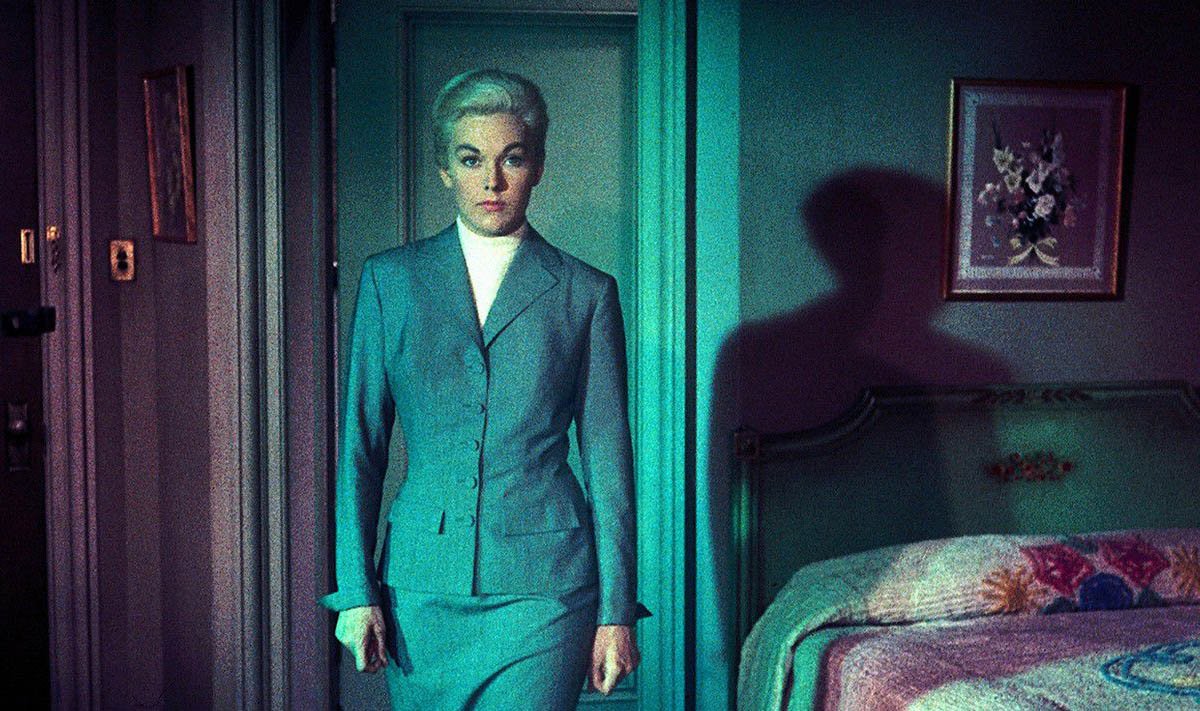
The mystery thriller genre cannot be considered complete without the mention of Alfred Hitchcock. Known as the “Master of Suspense”, Hitchcock’s films such as Rear Window, Vertigo, and Psycho deal with mature themes and serve up undeniably atmospheric and calculating films. The style of Hitchcock definitely serve as a precursor to many thrillers that follow.


The aforementioned Christopher Nolan is undoubtedly one of the names that will come to mind when talking about mind-bending films. The director has often made both small scale mystery thrillers and epic science-fiction blockbusters. Memento and The Prestige are edge of the seat, twisty thrillers that keep you guessing through their unique non linear story lines that revolve around the themes of revenge, pride, greed, loss and memory.


Alongside Inception, Nolan’s other science fiction films such as Interstellar and his most recent offering Tenet, incorporate scientific elements such as relativity, entropy and thermodynamics that play heavily into the narrative, as well as influencing their structure.

Often drawing inspiration from puzzles and geometry, Nolan’s scripts are puzzles in their own right (in a fashion similar to Quentin Tarantino’s work on Pulp Fiction and Kill Bill) and service the suspension of disbelief, whilst also facilitating an exposure into heady concepts.

David Fincher, on the other hand, is widely known for his psychological and mystery thrillers, most notably Se7en, Fight Club, Zodiac, The Girl With the Dragon Tattoo and Gone Girl. Fincher’s films are essentially mazes, packed with surprises and twists at every turn (as well as simultaneously critiquing societal elements such as capitalism, the media and the very institution of marriage), and heavily influenced from film noir.
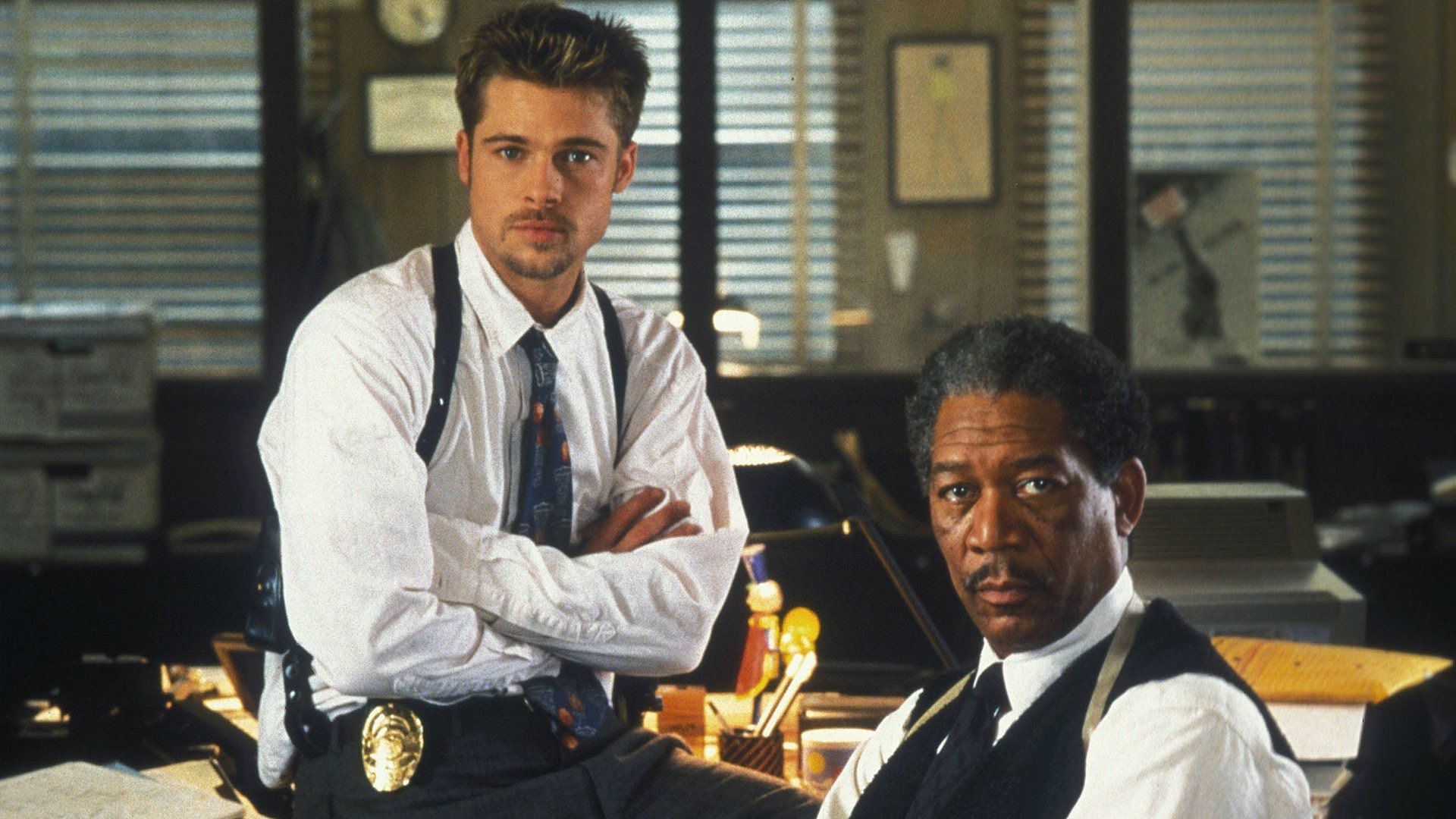
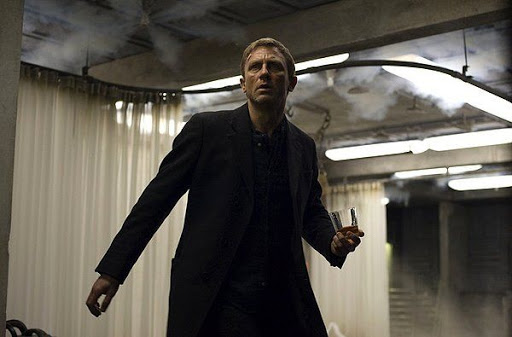
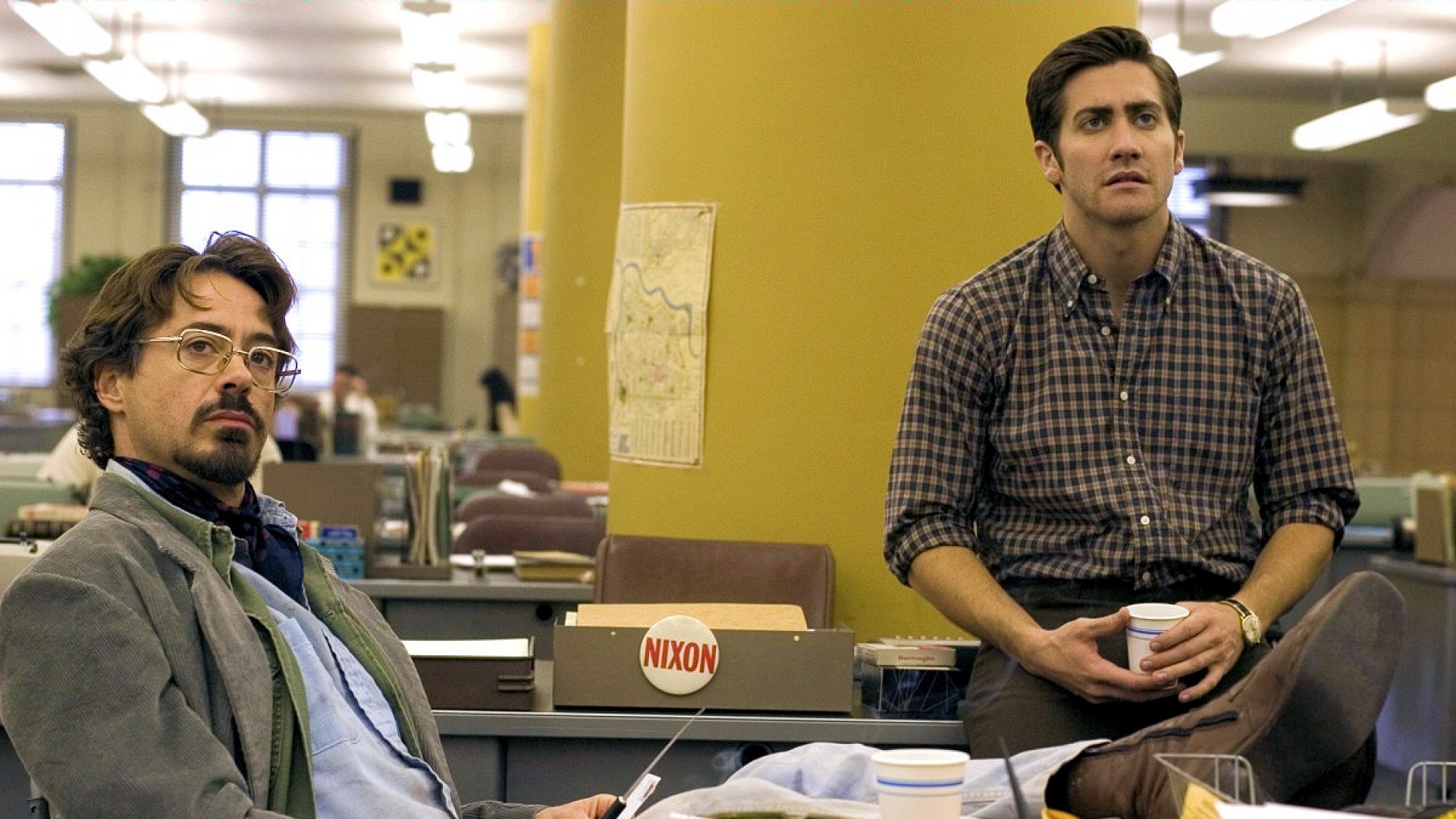
Furthermore, Fincher’s films are undeniably visually and atmospherically immaculate, never failing to get under the viewers’ skin and serving up a dark, visceral experience.


Speaking of thrillers, whether mystery or psychological, viewers have an endless repository to look at from Fincher’s filmography. However, many recent efforts have been equally unforgettable.

Knives Out, a throwback to classic mystery thrillers and comedies, presents a witty addition to the genre. A crowd pleasing film loaded with stars that include Daniel Craig, Chris Evans and Ana De Armas, the film is an Agatha Christie novel come to life, with an engaging plot, and effortless laugh out loud moments.
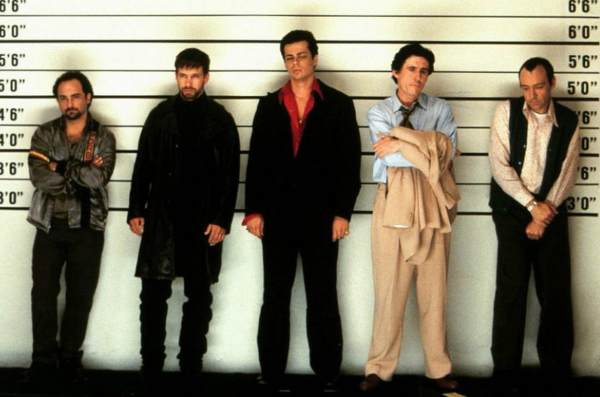
1995’s The Usual Suspects is another example of a masterfully executed mystery thriller. Written by future Mission: Impossible director Christopher McQuarrie, the film sees a narrative told in a non-linear fashion about the hunt for a notorious criminal, only for the audience to be shocked by the climatic reveal.
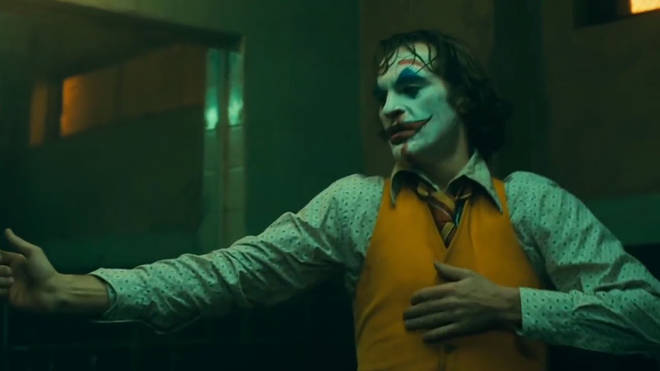
The Oscar winning psychological thriller Joker, detailing the origins of the comic book supervillain was a sharp departure from man comic book based films, eschewing high budget effects in favor of a dark, engaging drama and character study of the main character. Another aspect that sets the film apart is the possible interpretation that the entire narrative is actually the product of the “unreliable narrator”, and that the events may actually be a figment of the protagonist’s imagination.

Tom Cruise’s 2001 psychological mystery thriller Vanilla Sky is a deep dive into the themes of vanity, loss, trauma and memory, as Cruise plays a wealthy man trying to make sense of the inexplicable things happening around him after a car accident leaves him scarred and disfigured. While the film is a slow burn, it serves up a barrage of shocking reveals through its clever editing and non-linear narrative.
Director Zack Snyder also took a dive into similar territory with his 2011 offering Sucker Punch, a delirious mix of psychological thriller, action, fantasy and a hybrid of video games and comic book stylistics. A viewing of the film may draw attention to the similarities between this film and The Matrix and Inception but the film itself is seeped in numerous interpretations, alongside being a satire on the dated sexism and depiction of women.

Some filmmakers have often experimented with surrealism as a storytelling device to fully offer audiences a truly perplexing cinematic experience. David Lynch has often been heralded as the spearhead of the surrealist cinema movement.
Lynch’s film Mulholland Drive is an open-ended, hypnotic mystery thriller taking place in the deep recesses of Hollywood. The film’s highly abstract, often jarring story makes for repeat viewings, and has many clues and interpretations to the true nature of the film. What adds to the questions and the mystery, or may come off as frustrating, is Lynch’s own refusal to make sense and give an explanation to the plot.

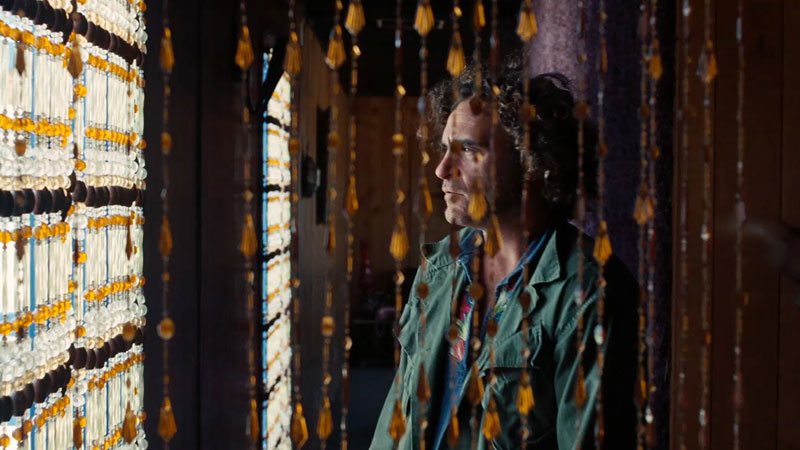
Director Paul Thomas Anderson also experimented with surrealism in his 2014 film Inherent Vice, a neo-noir black comedy film following a private detective investigating three disparate events that point to a larger conspiracy as the film unfolds. Anderson makes use of a convoluted narrative to throw audiences off track regarding the mystery and employs certain storytelling devices that point to the fact that part of the story may not even actually be taking place.
Anderson previously played with surrealism in his 2002 feature Punch-Drunk Love, starring Adam Sandler, a black comedy and romance film with hyper-real scenarios and ambiguous plot points.

The modern day “mind-bending” film is therefore a haven for filmmakers to continually experiment and flex their creative muscles, creating an engaging piece of cinematic art that respects it’s audiences, and holds multiple rewards for the viewers through various clues, imagery and symbols. In return, the film experiences longevity and stays alive in the midst of viewers through endless debates, discussions and interpretations the film may entail.
 Texts of A Pop Culture Buff