
The past year undoubtedly was one of the worst years for cinematic history. The coronavirus pandemic raged throughout the world, effectively putting a stop on all aspects of life, personal, professional and the like. All professional sectors throughout the world ranging from healthcare, information technology, retail and many more were gravely affected.
Among the many sectors was the world of show business and film exhibition. Entertainment sites throughout 2020 was flooded with news regarding release date delays of major films (No Time to Die, Black Widow, Wonder Woman 1984), production stoppages (Mission: Impossible 7), and filming delayed as a result of cast and crew contracting coronavirus (The Batman). Moreover, cinemas across the world and major markets were shut down as a response against the pandemic.


Online streaming giants such as Netflix and Amazon Prime, who were already experiencing popularity before the global health crisis, experienced a further boost. Netflix itself registered a whopping 203 million subscribers in 2020, a major leap from the 167 in 2019 (source – statista.com).

At the start of the pandemic, studios were in flux regarding the release of their major films. Films like Bloodshot and Onward suffered heavily as they were released right before a global lockdown and home quarantine were imposed, resulting in the films being made available early digitally on demand.
Universal Studios was the first to break away from the pattern when they released Trolls: World Tour, declaring their films will be made available on both video-on demand and theatrical platforms. The decision was met by a negative response from American based cinema chains AMC and Regal, stating they would not screen films distributed by the studio, or any studio that shortened the theatrical window (the period of time during which the film is played theatrically before home media release, digital download and on-demand), which is typically three months.
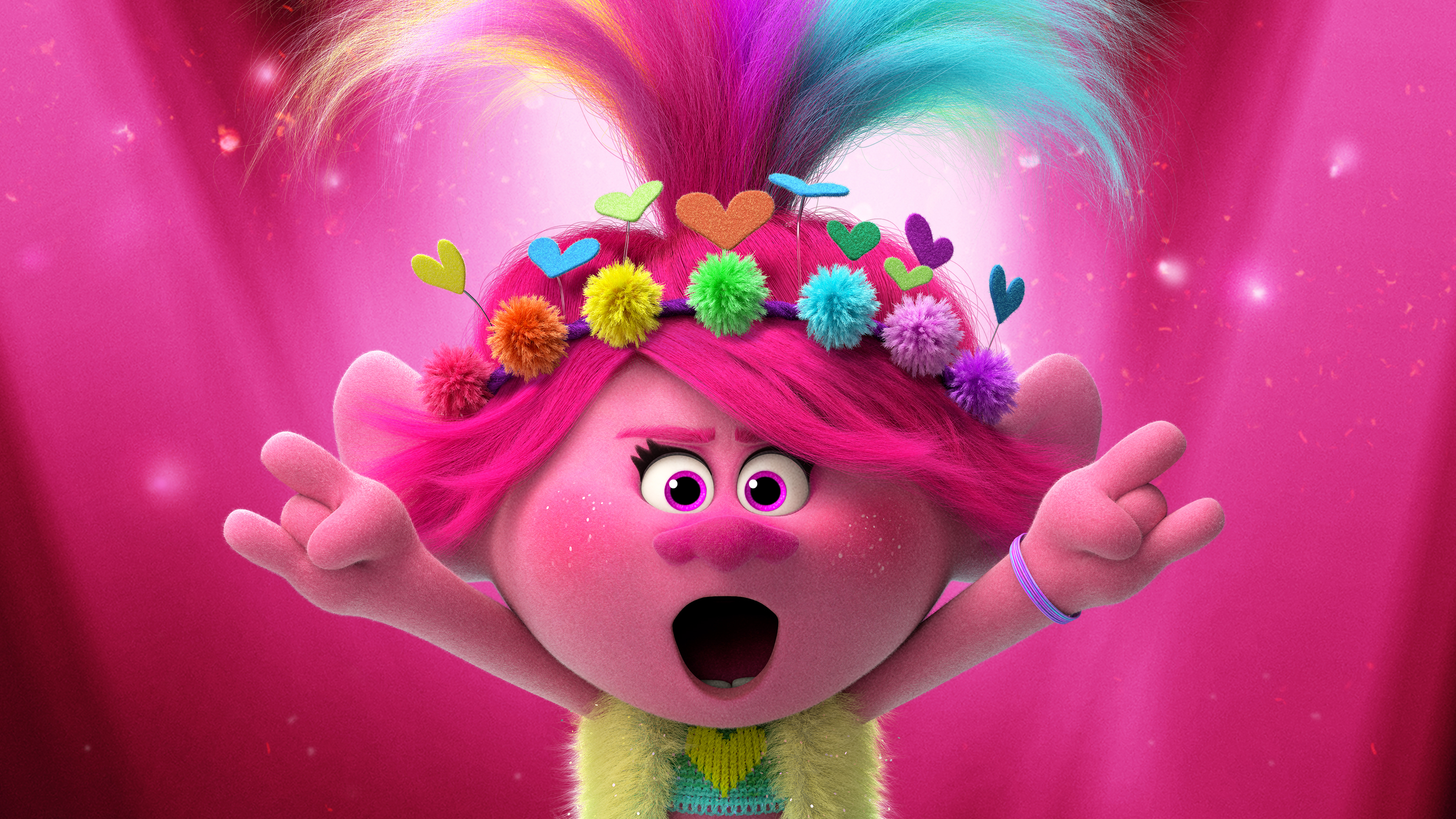
An agreement was later reached at between the parties, where films distributed by Universal were screened for a 17 day period before being made available on online platforms for on-demand.
As the pandemic situation worsened, the release date of many films, notably Mulan, Tenet, Fast and Furious 9 were indefinitely held up or pushed into 2021.

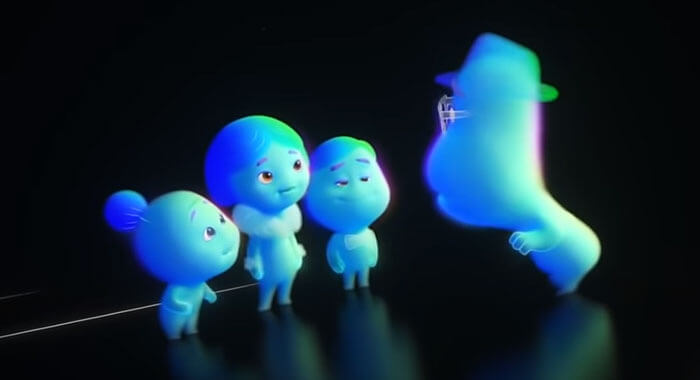
Disney subsequently announced that Mulan would be released in both cinemas and on their streaming service Disney+, for a hefty $30 fee, in addition to the subscription fee that the viewer-user has already spent in a feature known as Premier Access. Disney followed the model for their recent releases Soul (albeit without the fee) and Raya and the Last Dragon. The Premier Access feature therefore exists to make up for the revenue the films would have generated in the case of a traditional theatrical release.


The theatrical releases of Tenet and the oft-delayed superhero film The New Mutants were pushed for by their respective directors Christopher Nolan and Josh Boone, and were as a result under scrutiny for their box office performance. The films experienced a staggered and scattered release across the world markets at different points of time. The New Mutants received lukewarm reviews, grossing $48 million and falling short of the $80 million budget.

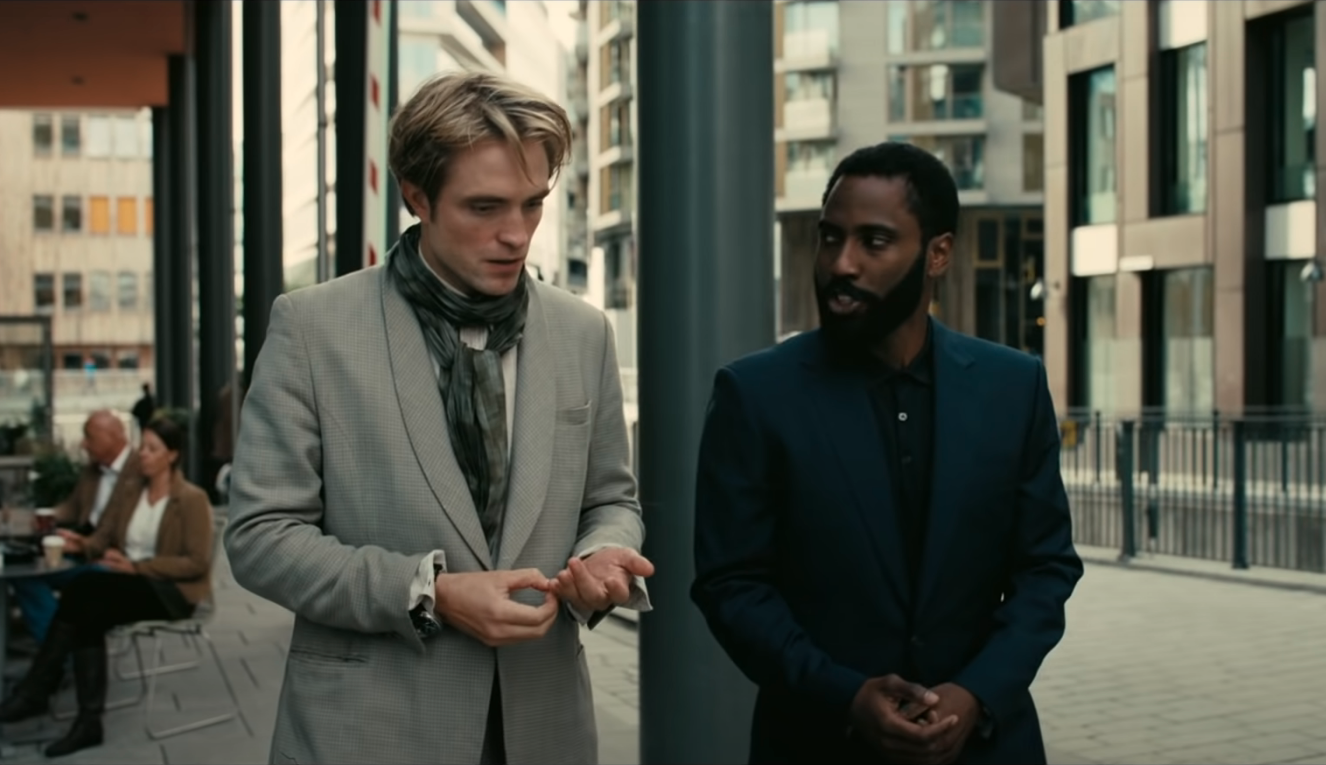
Tenet, on the other hand exceeded expectations and performed well under the circumstances it opened under, grossing $363 million against a $200 million budget. Despite this, due to the high budget, the film was labelled a box office disappointment. The performance of the two films obviously put the future of theatrical exhibition in question.
Wonder Woman 1984 was another widely anticipated film of 2020. The film’s release experienced multiple delays from an original November 2019 date, due to production delays and the eventual delays caused by the pandemic. In late November 2020, it was announced by Warner Bros. the film would release simultaneously in cinemas and the HBO Max streaming service, at no extra cost to subscribers. The decision was seen positively as a one-time and appropriate solution in the current scenario.

A couple of weeks later, however, Warner Bros. sent waves throughout the industry when it announced that their entire 2021 film slate would be following suit and have simultaneous releases. The slate included several big budget releases such as Godzilla vs. Kong, Mortal Kombat, The Suicide Squad, Dune and the fourth Matrix film. The decision was lambasted by many throughout the industry, with many notable directors such as Dune‘s Denis Villeneuve and Christopher Nolan speaking out against the move, especially since vaccines were announced to roll out in 2021, prompting a possible and optimistic return to cinemas. Several directors and cast members were reportedly not informed of the release strategy.


Warner Bros. cause was only strengthened and furthered when Wonder Woman 1984 released in December and became the most watched streaming title of the year (ahead of Hamilton and Soul on Disney+), despite receiving a mixed response from critics and audiences, alike.
Production company Legendary Pictures (which had financed Godzilla vs. Kong and Dune) additionally planned to sue the studio. The two parties have since come to an agreement regarding the release of Godzilla vs. Kong (scheduled to drop March 31) with discussions taking place regarding the release of Dune.
Amazon Prime, which had been gaining momentum with their original series, also started releasing a steady slew of original films over the past year including Chemical Hearts, Sound of Metal, Uncle Frank, The Map of Tiny Perfect Things, Bliss and Coming 2 America. It is also on track to release Without Remorse, starring Michael B. Jordan, in April.


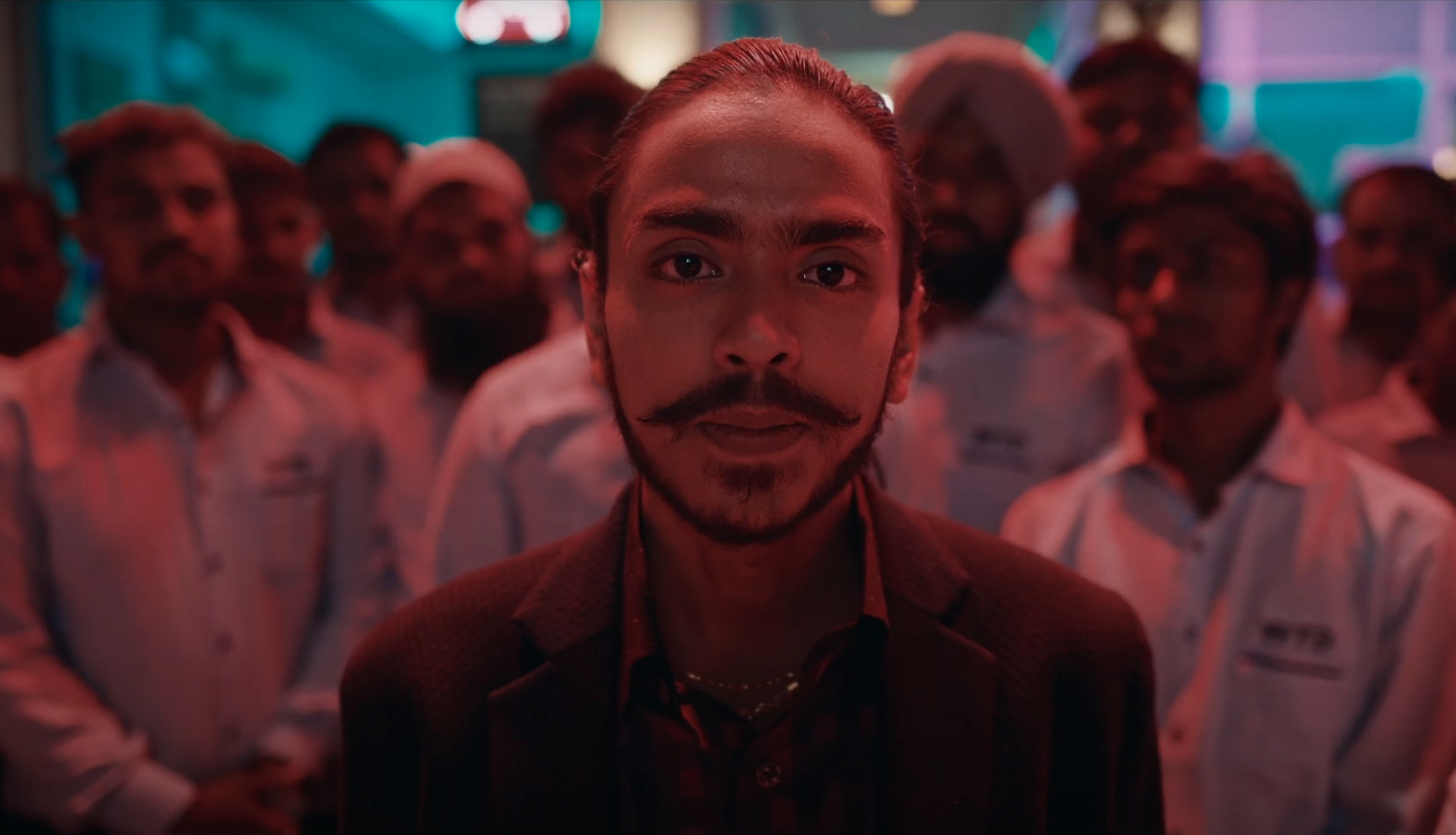
Likewise, Netflix unveiled their 2021 film slate in January, boasting of high profile names and the promise of a new film premiering every week, the likes of which comprise Red Notice (starring Dwayne Johnson, Gal Gadot and Ryan Reynolds), Army of the Dead (starring Dave Bautista and directed by Zack Snyder), Malcolm & Marie (with Zendaya and John David Washington), Don’t Look Up (starring Leonardo DiCaprio and Jennifer Lawrence) The White Tiger (with Priyanka Chopra and Rajkummar Rao) and The Girl on the Train (starring Parineeti Chopra and Kirti Kulhari).


Finally, Paramount Pictures recently announced they would rebrand their existing streaming platform CBS All Access to Paramount+ and would showcase their high profile films such as A Quiet Place Part II and Mission: Impossible 7 on the platform after a theatrical release that would last for a period of 45 days.

While online streaming, piracy and downloading of films had been on the rise over the past few years, the coronavirus pandemic and the so called “streaming wars” led to consumers turn to other alternatives that inadvertently accelerated the devaluation of cinemas and the theatrical exhibition of films.
Cinemas not only provide the best form of movie viewing and communal experience, which has rightly been pointed out so many times over the past few years, it also carries a major economic weight, demanding a wide workforce and providing employment to many.
According to an early 2018 report released by the Motion Picture Association of America, there were over 354,000 businesses related to film distribution that ensured films reached consumers (source – deadline.com).
However, cinemas were already facing a decline in patrons over the past decade, who were turning more and more towards online platforms. Countries like the United States, United Kingdom and India, experienced a gradual decrease in cinema admissions from 2010 to 2019. In India, the reasons were attributed to high ticket prices, lack of up-to-date projection technology, sound systems and uncomfortable seating (source – weforum.org).
Moreover, the mere presence of online streaming platforms does not ensure a thorough consumer base. The release of films directly on online platforms makes the releases susceptible to online piracy and illegal downloads, leading to a loss in subscribers, who may be put off by the numerous streaming sites as well as their high subscription charges, and will likely turn to alternative solutions to view films.
Streaming platforms are moreover susceptible to technical glitches, which might result in a film leaking early, as was the case with Zack Snyder’s Justice League, which was accidentally released on the HBO Max streaming platform ten days before its release.


The shortening of the theatrical window and the simultaneous release of films will not only be harmful to the cinema industry, but to the films itself, in the sense they would not be able to generate adequate revenue to break even or surpass their budget. Dune‘s director Villeneuve stated that due to the current release strategy that his film is subjected to, the film will not be commercially viable to warrant and produce the sequel that he had planned (his upcoming film is the first of a two-part adaptation of the classic science fiction novel by Frank Herbert).
The recent trends regarding the release of films have catapulted the industry into a modern, rapidly changing and quite frankly, frightening age for the era of theatrical exhibition. While many directors and film stars like Steven Spielberg, Martin Scorsese, Christopher Nolan and Tom Cruise remain a strong force in favor of cinema releases, the times may not be.
There are however, positives to be noted. Vaccination drives have started throughout the world, resulting in many cinemas reopening (including major markets such as the United States and India) and operating under limited capacity.
Although Disney has announced many of it’s films having a simultaneous releases, it still remains committed to the big screen experience, with many Marvel projects including Eternals, Spider-Man: No Way Home and Doctor Strange in the Multiverse of Madness slated for theatrical releases, with Black Widow on track to open in cinema this May.


Similarly actor-director John Krasinski’s A Quiet Place Part II, also starring Emily Blunt, which was supposed to debut the past March before the pandemic ensued, was scheduled to release in September of this year, was recently announced to have it’s release date pushed up to this May. This is undoubtedly a response to the improved treatments with regards to the coronavirus.
What is in store for the big screen cinema experience and the future of theatrical exhibition as a whole, remains to be seen.
Only time will tell.
 Texts of A Pop Culture Buff